Analyze your statement
Upload a PDF to see categories, charts, subscriptions, and CSV export in one report.
No signup · deleted after analysis
Student Finance · UK
Bank statements for Student Finance
Student Finance England does not always require bank statements — but when it does, it is usually to verify household income that cannot be confirmed through HMRC records alone. Here is when they are needed and what to submit.
When Student Finance requires bank statements
Household income assessment
If your maintenance loan is means-tested on household income (i.e. you are financially dependent on a parent or partner), Student Finance England may request bank statements to verify the income figures supplied alongside a P60, SA302, or employer letter.
Self-employed parent or partner income
Where the supporting adult is self-employed, SFE needs to verify income beyond a tax return. Bank statements showing business deposits alongside an SA302 are standard evidence. Statements for the full relevant tax year are typically required.
Income not visible on HMRC records
Overseas income, rental income, dividends, or informal employment may not appear on standard HMRC documents. Bank statements showing these deposits are used to verify the household income total.
Change of circumstances reassessment
If a parent or partner's income drops by 15% or more mid-year, you can request a Current Year Income (CYI) assessment. Bank statements showing the reduction in deposits support this claim.
Fraud check or verification request
SFE can request bank statements if something in your application triggers a manual review — for example, income figures that appear inconsistent with other submitted documents.
What Student Finance checks in bank statements
SFE is not interested in personal spending — they are verifying that the income declared on the application matches what actually landed in the account. The key things they look for:
Regular income deposits matching the declared employment or self-employment income
Business receipts or client payments (for self-employed applicants)
Rental income deposits (if rental income was declared)
Absence of undeclared income streams — large unexplained regular deposits
Timing of income — confirming it falls within the relevant tax year
Evidence required by income type
| Income type | Primary evidence |
|---|---|
| PAYE employment | P60 or employer letter |
| Self-employment | SA302 + tax return |
| Rental income | SA302 or tenancy agreements |
| Overseas income | Foreign tax return or payslips |
| Dividends / investments | Dividend vouchers or SA302 |
| Current year reassessment | Recent payslips or invoices |
How to prepare statements for Student Finance
Download the correct period
SFE assesses income for the previous tax year (6 April to 5 April). Download statements covering this full period — usually 12 monthly PDFs or a single annual statement if your bank offers one.
Use the account where income was received
Submit statements for the account that received employment or business income. If income went into multiple accounts, include all of them. Personal accounts used for day-to-day spending are not needed unless income was paid into them.
Prepare a brief income summary
For self-employed parents, a short cover note explaining your income sources — client payments, project fees, retainers — helps the assessor match deposits to the SA302 figure. This reduces back-and-forth requests.
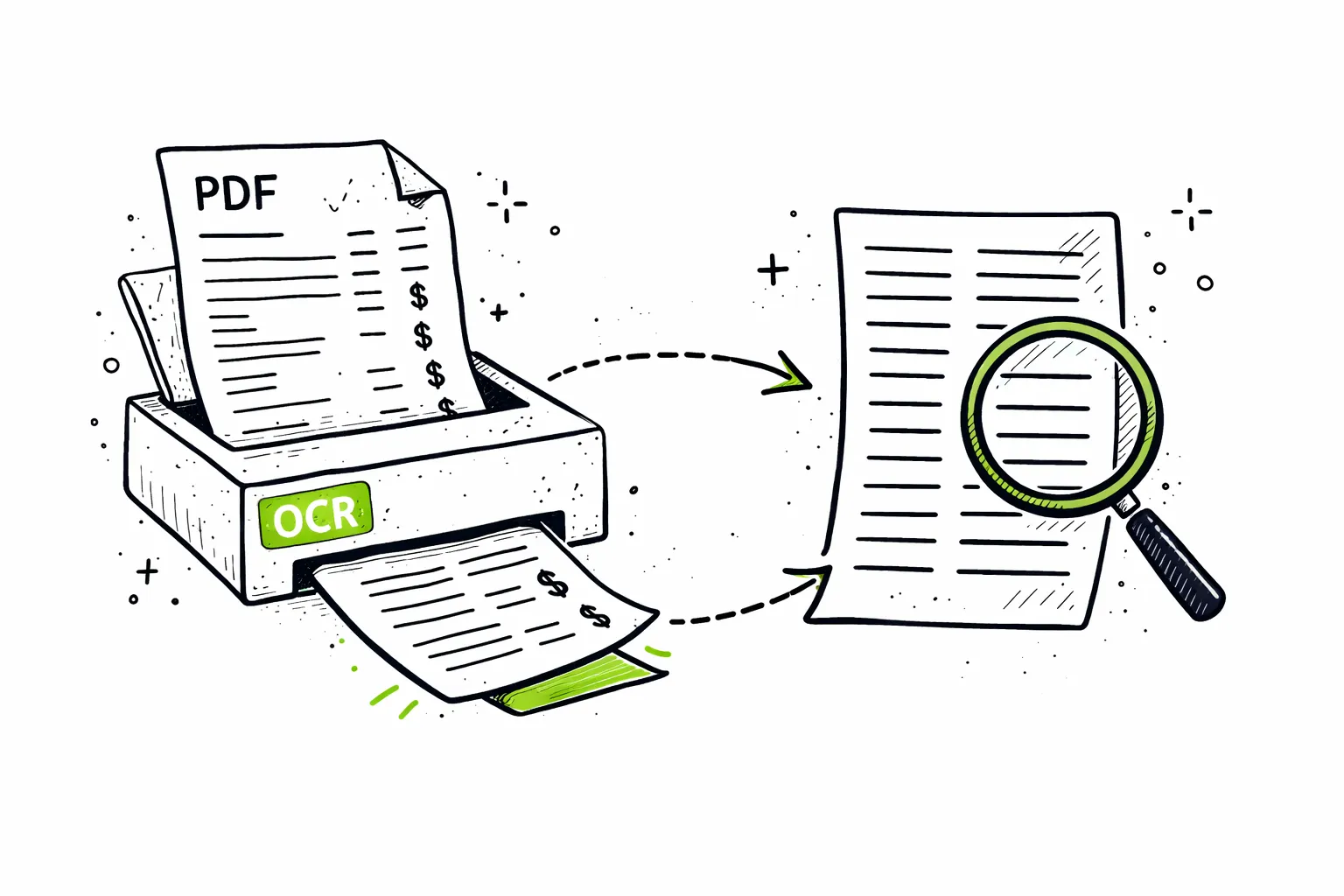
Convert PDFs to a searchable format if needed
If SFE requests a spreadsheet or you want to calculate totals yourself before submitting, convert your PDF statements to CSV. This also helps you cross-check the income total against your SA302 before submitting.
Calculate your income total from bank statements
Upload your PDF bank statements and get every income deposit automatically identified and summed — separated from personal transactions. Useful for cross-checking your SA302 or preparing a CYI reassessment.
Convert to CSV — Free →Self-employed parents: key notes
If you are self-employed and supporting a child through university, SFE's income assessment is based on your taxable profit for the relevant year — not your turnover. Your SA302 is the primary document; bank statements serve as supporting evidence to confirm what was actually received.
For your own tax return preparation, see our guide on using bank statements for Self Assessment — the income calculation process is the same, and a clean bank statement CSV is useful for both purposes.
Free tool · 30 seconds · No signup
Calculate your income total from bank statements
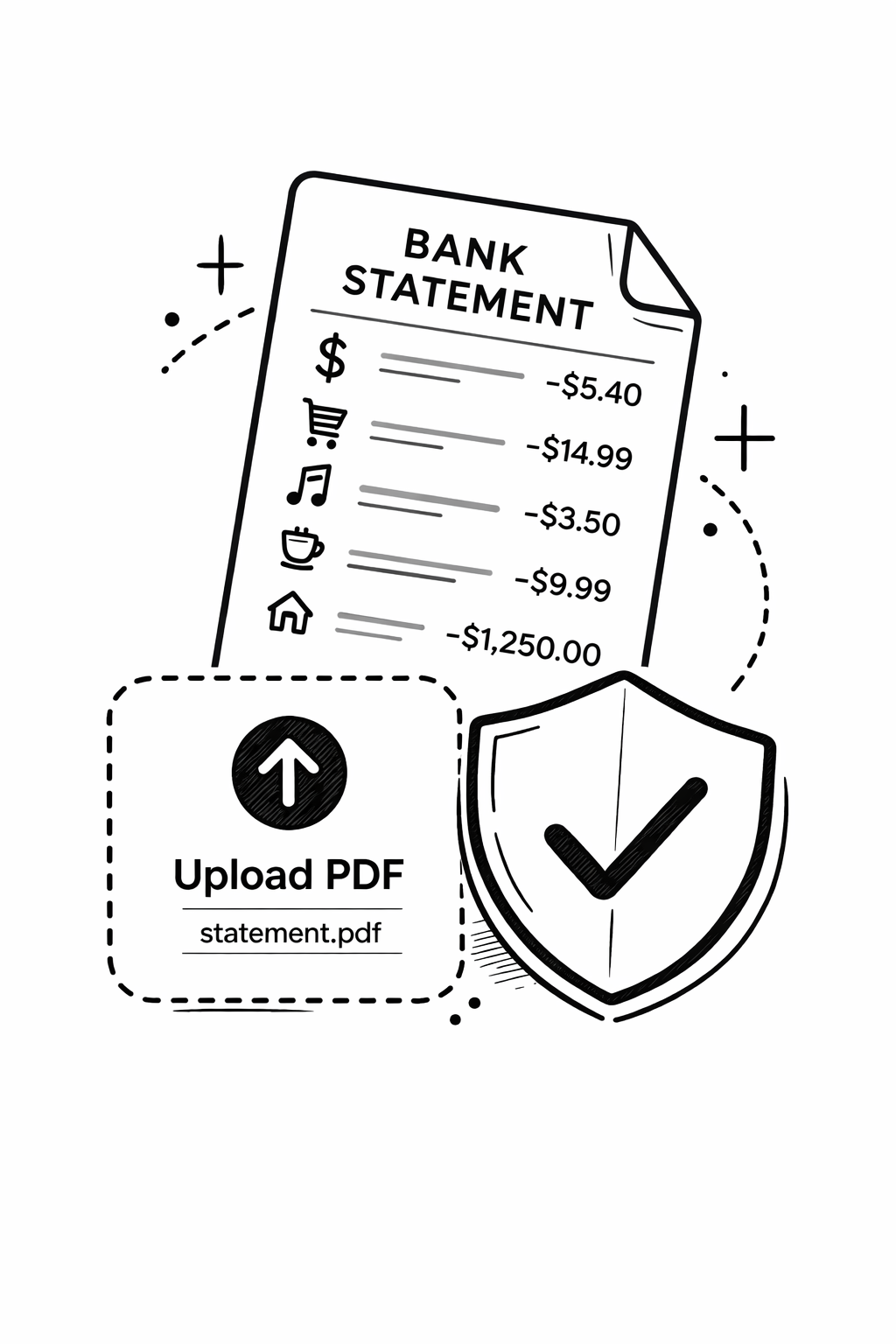
Upload your PDF and get every income deposit identified and summed automatically — useful for cross-checking your SA302 or preparing a Current Year Income reassessment. Free, no account needed.
Common questions
Does Student Finance England require bank statements?
Not always — for many students, Student Finance England processes applications using HMRC income data directly, without needing bank statements. Bank statements are typically required when income cannot be verified via HMRC records alone: self-employment income, overseas income, rental income, or when a change of circumstances reassessment is requested.
What bank statements does Student Finance England ask for?
SFE usually requests 3–12 months of statements for the relevant tax year, covering the account(s) where business or employment income is received. They focus on income deposits, not personal spending. If a parent or partner is being assessed, it is their statements that are needed — not the student's.
Do I need to show my own bank statements for student finance?
Rarely. Your own bank statements are generally not required unless you are an independent student with your own income being assessed, or SFE has specifically requested them for a fraud check. Most means-testing is based on your household (parent or partner) income.
My parent is self-employed — what evidence does SFE need?
For self-employed parents, SFE requires an SA302 (HMRC tax calculation) or a tax return for the relevant year, plus business bank statements covering that period. The statements confirm the income figures match what was declared to HMRC. If the income has since dropped significantly, current year statements may also be required for a CYI reassessment.
Can I request a reassessment if my parent's income has dropped?
Yes — this is called a Current Year Income (CYI) assessment. If the supporting adult's income has dropped by 15% or more compared to the previous tax year, you can apply. You will need their most recent payslips or business bank statements as evidence of the reduced income. Apply through your SFE online account.
How long do I need to keep bank statements for student finance purposes?
Keep them for at least the duration of your course plus one year, in case SFE requests evidence for a retrospective audit or dispute. Digital PDFs are accepted. Store them alongside other student finance correspondence.
What if I can't get old bank statements from a closed account?
Contact the bank — most can provide statements for accounts closed within the last 6–7 years, though there may be a fee. If the account no longer exists and statements cannot be retrieved, explain this in writing to SFE and provide alternative evidence such as tax returns or employer letters.