
Business bank statement
Business bank statement
Upload your business PDF — see income vs. expenses , categorized transactions , and export to Excel instantly.
What you'll get
Your full spending report
Net saved in October 2024
Income
$7,712
Spent
$4,844
Activity
47 tx · ~$103/day
$1,850
Largest expense
$103
Avg / transaction
22
Active days
Saturday
Busiest day
AI Insight
Dining spending jumped 42% vs last month. You ate out 18 times — that's $42 per meal on average.
Spending breakdown
$4,844 across 7 categories
Financial Health
Recurring · $4,188/yr
Potential monthly savings
Cancel unused subscriptions
3 services you haven't used in 60+ days
Switch to cheaper phone plan
You're overpaying vs similar usage profiles
Cook 3 more meals per week
You averaged $42/meal eating out — 18 times this month
Why analyze first
What business owners use it for
From loan applications to monthly bookkeeping — one upload covers it all.
Business loans
Get a clean income summary showing average monthly deposits — exactly what underwriters need.
Mortgage applications
Self-employed owners use 12–24 months of statements to prove income. Analyze and export for your broker.
Accounting & bookkeeping
Export categorized transactions — revenue, operating costs, payroll, taxes — ready for QuickBooks or Xero.
Cash flow analysis
See month-over-month revenue trends, biggest expense categories, and net cash flow at a glance.
Loan applications
What lenders look for in business bank statements
Know what underwriters analyze before you submit. Our tool extracts exactly this data.
Average monthly deposits
Primary indicator of business revenue — lenders calculate this across all statement months.
Average daily balance
Shows whether the business maintains a healthy cash cushion between income events.
Revenue consistency
Irregular or declining deposits raise flags. Consistent deposits build confidence.
NSF incidents
Insufficient funds events are a negative signal — lenders count them across all statements.
Large unexplained deposits
One-time windfalls are discounted. Lenders want recurring operational income.
Pro tip: Most lenders require 3 months of business bank statements for small business loans, and 12–24 months for mortgage applications. Upload each month separately or a combined PDF — our analyzer handles both.
Business-ready
Income vs. expenses — separated automatically
Our AI doesn't just extract transactions — it separates business income from expenses, identifies payroll, rent, and operating costs, and flags personal transactions that may have hit your business account.
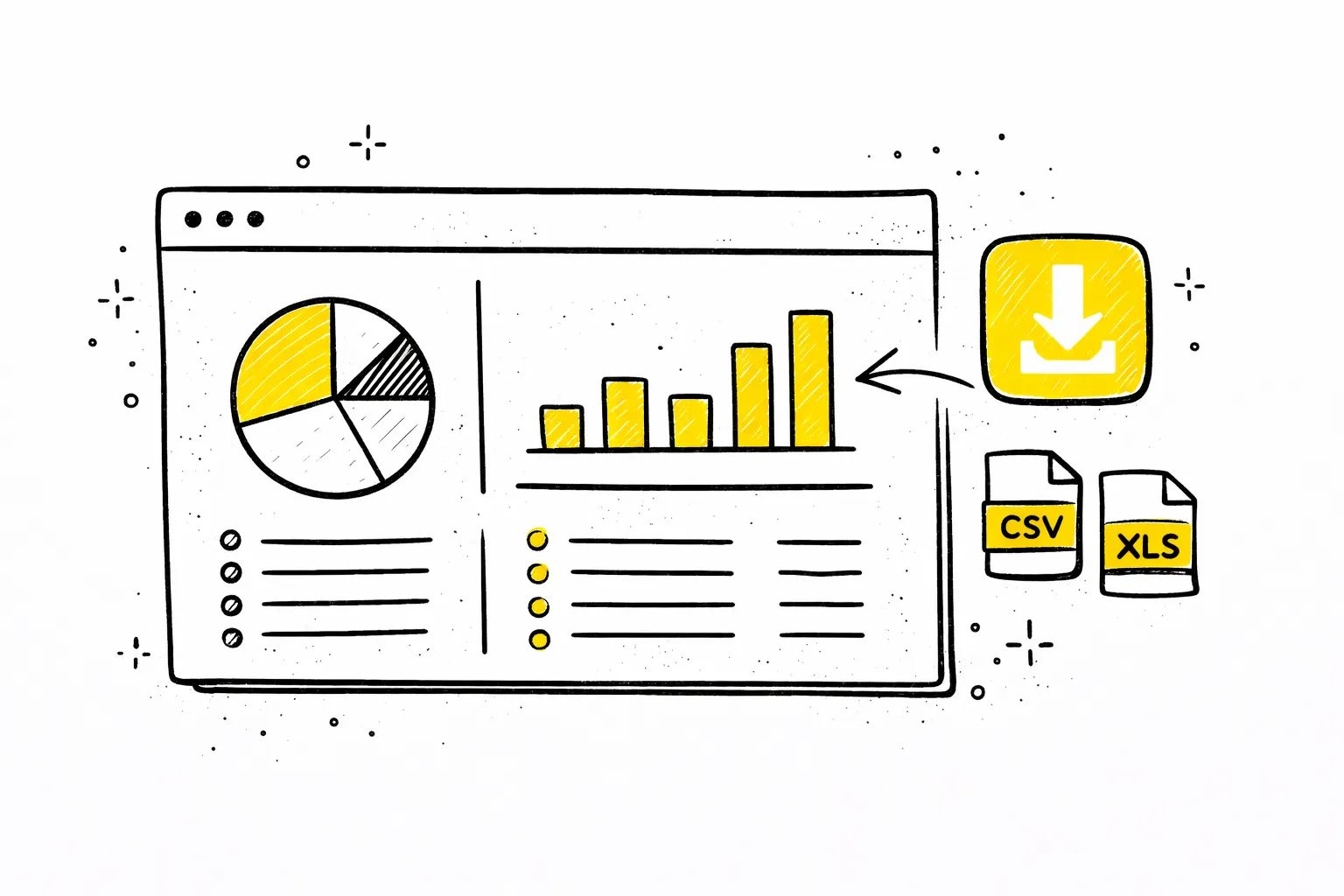
The result is a clean breakdown that matches what lenders, accountants, and mortgage brokers expect to see. Export to Excel or CSV with one click.
Why analyzing your business bank statement matters
A business bank statement is the single most accurate picture of your company's financial health. Every deposit, payment, fee, and transfer tells a story aboutcash flow. Our tool reads your PDF and categorizes every transaction automatically — revenue, operating expenses, payroll, rent, tax payments, subscriptions.
One of the most common challenges for small business owners is separatingbusiness expensesfrom personal spending. Our AI identifies and flags common personal transaction patterns so you can see what belongs on your books and what doesn't — critical at tax time for claiming deductions without triggering an audit.
Once categorized, export everything toExcel, CSV, or QBOand import directly into QuickBooks, Xero, FreshBooks, or Wave. This eliminates hours of manual data entry. Whether you're catching up on bookkeeping, preparing for aloan application, or just trying to understand where your money goes — starting with a properly analyzed statement makes everything faster and more accurate.

Secure
Your PDF is processed in memory and never saved to disk. All data is encrypted in transit.

Private
We never sell or share your financial data. Anonymous uploads are auto-deleted after 7 days.

Transparent
No hidden fees, no account required. Try it without an account, or create a free account for 1 analysis per month.
Pricing
Start with one report
Pay once when you need one full result. Subscribe only when statement work becomes regular.
- All transactions unlocked for this report
- Categories, charts, and subscription detection
- CSV and Excel exports included
- No renewal, no account required
FAQ
Business bank statement — FAQ
Ready?
Upload one statement.
Get the full picture.
No credit card. No account. Drop a PDF and see every transaction categorized in 30 seconds.
Try it free →Related reading
Bank Statements for a Business Loan
What lenders check in your business statements — revenue, NSF fees, cash flow.
Bank Statements for Self Assessment
Using business bank data to calculate income and expenses for your tax return.
Bank Statements for Self-Employed
What lenders and HMRC want to see from sole traders and freelancers.